
Calibration of a Low-Cost Particulate Matter Sensor Using the Decay Method
Abstract
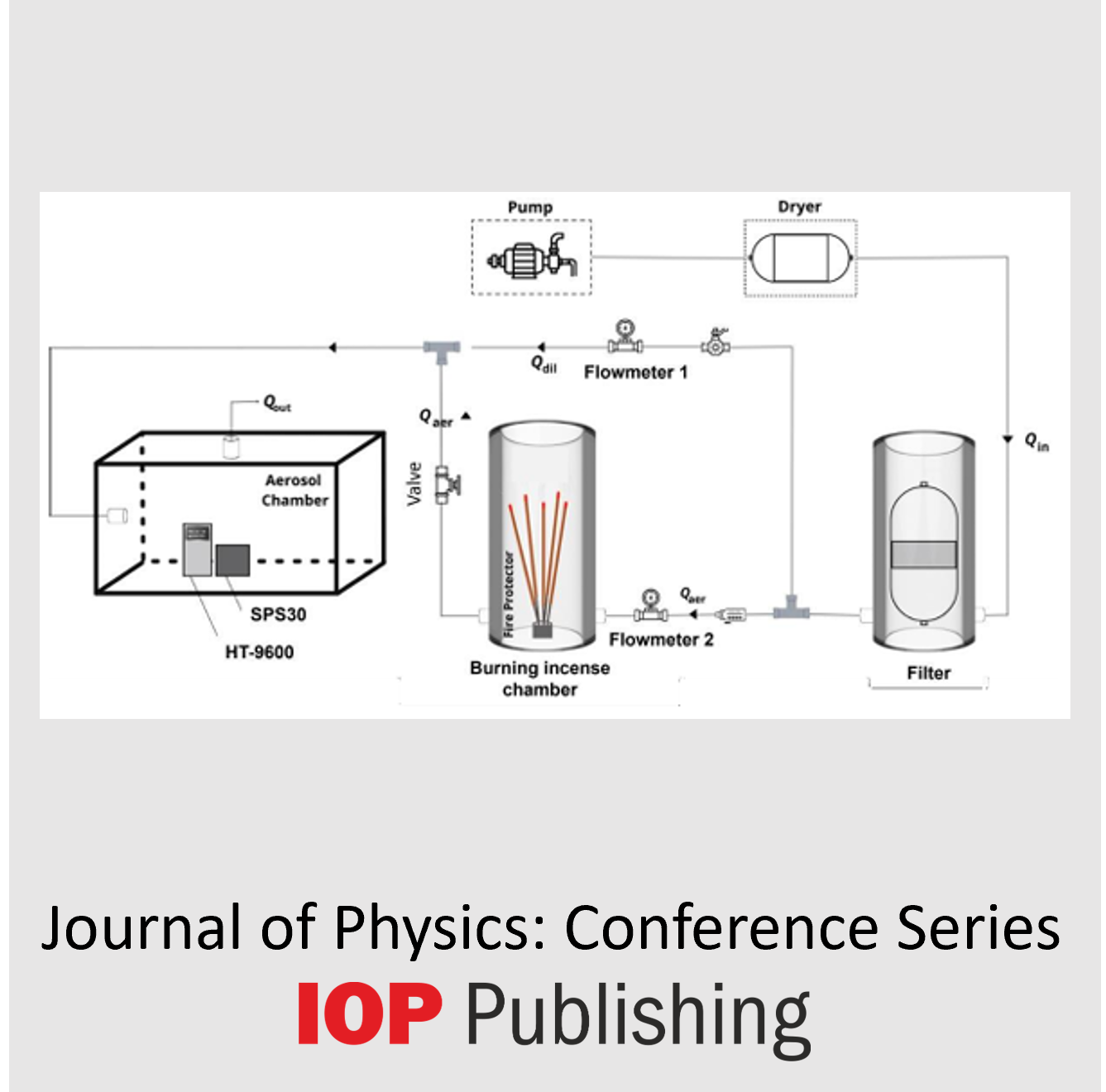
Air pollution, particularly particulate matter (PM), poses significant health risks and environmental challenges. Real-time air quality monitoring is crucial for effective management and mitigation strategies, especially in personal exposure contexts. Wearable devices, commonly utilizing low-cost optical PM sensors, offer a promising solution. However, these low-cost sensors often require recalibration to ensure accuracy and reliability. This study focuses on calibrating the SPS30 particulate matter sensor, a popular optical sensor, to improve its performance for wearable applications. The calibration process was conducted using the decay method in an aerosol chamber, aligning the SPS30’s readings with those of a reference sensor (HT-9600). The results demonstrated an excellent correlation between the SPS30 and the reference sensor for both PM2.5 and PM10 measurements. This study confirms that proper calibration can enhance the SPS30’s accuracy, making it a reliable tool for real-time, personal air quality monitoring, which is essential for public health and environmental management.